



Are you an SEO analyst and looking for good SEO tools to make your SEO audit easier and accurate. Here’s a list of 15 free SEO tools you must try and test to audit your website, measure the performance of your website and analyse your SEO efforts.
Search Engine Optimization or SEO as it is popularly abbreviated, is basically a process of quality check, involving the visibility of apropos phrases or words. These words and phrases denoted as ‘keyword’ can be used to find a website on the search engine platforms such as Bing, Google, Yahoo and other search engines.
The elementary aim of SEO is basically an endeavor to achieve a high ranking for the website as awarded by the search engine, which ensures better visibility to the website in a search engine results page (SERP). This makes it easier for users and search engines to understand and trace the content of the website.
Primarily, SEO prioritizes the generation of ‘organic’ website traffic. Search Engine Optimization uses various strategies which strive to elevate the number of visitors on the website by tracking the results through SERPs.
The generated result basically represents the standing rank on ‘titles’ of the page, the ‘meta description’ which is a basically a short description along with the focus keyword’ and the weighted reference to the keyword in the entire content of the webpage. If you already know these basics of SEO and are looking for new tools to enhance your website SEO,
Here Are 15 Free SEO Tools You May Not Know About, That Are A Must Have!

PageSpeed lets you enter a URL, and tests the loading time and performance for desktop as well as mobile, along with identifying opportunities to improve (and also applauds you for doing well in many areas). The mobile results also come with a user experience score, ranks elements such as tap targets and font sizes.
Highlights:
- Analyze website performance.
- Measure page load speed and overall performance score.
- Get positive performance highlights.
- Identify optimization opportunities.
- Receive mobile-specific user experience score.
- Evaluate key UX factors like tap targets and font sizes.

Screaming Frog’s SEO Spider is a website crawling tool that analyzes and audits the entered website URL for optimum search engine optimization. The SEO Spider analyzes the website’s CSS, links, scripts, images, and apps and recognizes any issues it may have such as duplicate pages, broken links, URI issues and redirect errors. This is one of the best free SEO Tools that you can get access to.
Highlights:
- Crawls websites to audit technical SEO issues.
- Detects broken links, redirects, and errors.
- Identifies duplicate content and pages.
- Analyzes metadata (titles, descriptions, tags).
- Audits CSS, scripts, images, and internal links.
- Highlights URL (URI) structure issues.
- Helps optimize on-page SEO performance.
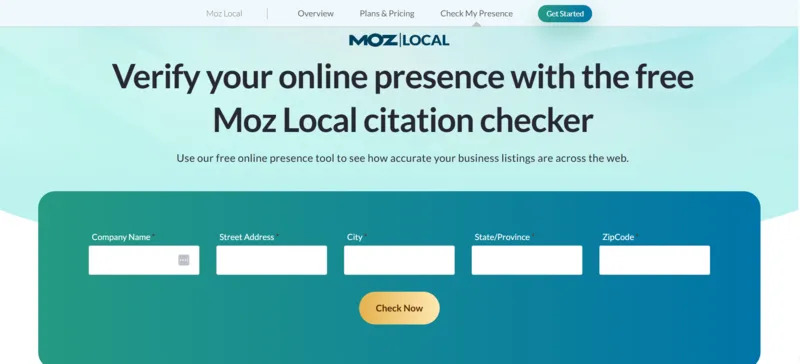
Moz processes data from over 15 different sources such as Google, Facebook, and Foursquare—to rank your brick-and-mortar business on how it appears on the internet. Results are displayed with actionable fixes for inconsistent or incomplete listings.
Highlights:
- Analyzes business listings across 15+ major platforms (including Google, Facebook, Foursquare).
- Evaluates your online presence and local listing accuracy.
- Identifies inconsistent, missing, or incorrect business data.
- Provides a clear listing score for quick performance insight.
- Offers actionable recommendations to fix and optimize listings.
- Helps improve local SEO visibility and credibility.
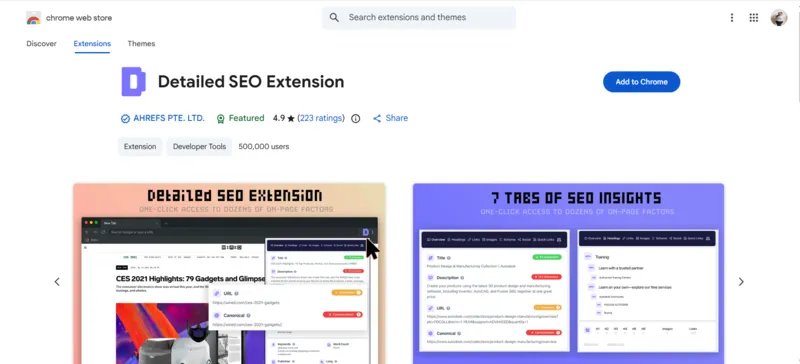
This is a Google Chrome extension that delivers instant SEO insights for any website you visit. It compiles essential on-page data such as title tags, meta descriptions, and meta robots directives, along with other key SEO elements.
The tool is built by experienced SEO professionals for everyday analysis, helping you quickly evaluate a page without digging into its source code.
Highlights:
- Instant on-page SEO analysis for any webpage.
- View title, meta description, canonical & robots tags.
- Analyze internal & external links (with export options).
- Image SEO insights (alt text, missing attributes).
- Detect structured data (schema markup).
- View Open Graph & Twitter social tags.
- Highlight nofollow links and check hreflang tags.
- Export links and image data as CSV files.

Keywordtool.io is an online tool which allows you to enter a keyword, and then provides a huge table comprehensive list of longtail keywords from the input keyword.
Highlights:
- Generates 750+ long-tail keyword suggestions.
- Supports multiple platforms like Google, YouTube, Amazon, Bing, and more.
- Uses Google Autocomplete data to find real user search queries.
- Offers keyword ideas in 80+ languages and 190+ domains for global SEO.
- Includes question-based and intent-focused keyword suggestions.
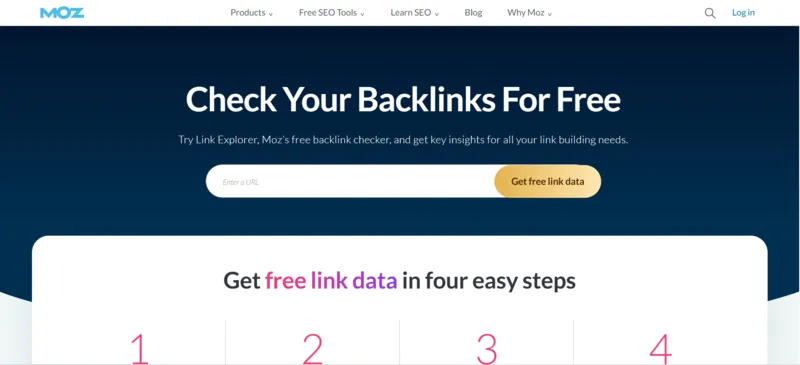
The free version of Open Site Explorer offers a brief insight into a full range of link analysis, along with a look at the most impactful links that your site and most linked-to pages might come across.
Highlights:
- Quick backlink overview for any domain or URL.
- Shows top inbound links and linking domains.
- Displays Domain Authority (DA) and Page Authority (PA).
- Identifies the most linked-to pages on a site.
- Provides anchor text insights.
- Helps spot high-impact links quickly.

Siteliner aids in developing reports on broken links, duplicate content etc. and analyzes site pages by crawling each one of them, which are clearly distinguished in search engines. This tool keeps a check on duplicate content, broken links, skipped pages, XML sitemaps, internal page rank etc.
Highlights:
- Detects duplicate content across your website.
- Finds broken links and errors quickly.
- Crawls and analyzes all site pages efficiently.
- Identifies skipped or inaccessible pages.
- Evaluates internal page rank distribution.
- Checks XML sitemap presence and issues.
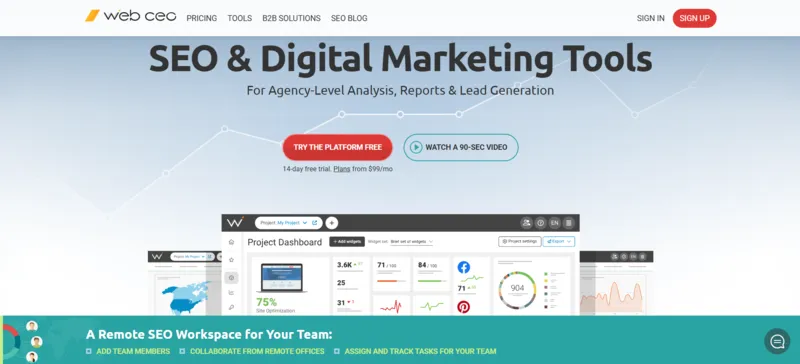
Web CEO is an all-inclusive SEO tool that comes in both online and offline versions. Like most SEO tools of this type, Web CEO offers rank checking, link management, and analysis as well as on-site optimization tools such as a Site Auditor that can scan your blog for broken links and other SEO related errors.
Highlights:
- All-in-one SEO toolkit (online & desktop).
- Keyword rank tracking across search engines.
- Backlink analysis and link management.
- Site Auditor for technical SEO issues (broken links, errors, etc.)
- On-page SEO optimization recommendations.
- Competitor analysis and performance tracking.
- SEO reporting and white-label reports.
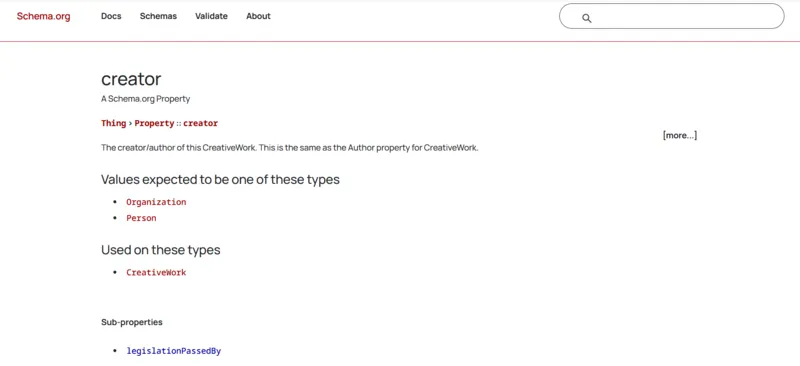
Google and other search engines created a structured data standard called Schema.org. One simply has to customize the code so that the review, organization, events, location, and people are displayed the way you want to display them on search engines. After creating your schema code, simply copy that code and paste it to your website, or some free WordPress plugins are also available for the same.
Highlights:
- Easy creation of structured data.
- Supports multiple schema types (reviews, organizations, events, people, locations).
- Customizable code to control how your data appears in search results.
- Generates ready-to-use schema markup.
- Improves visibility on Google and other search engines.
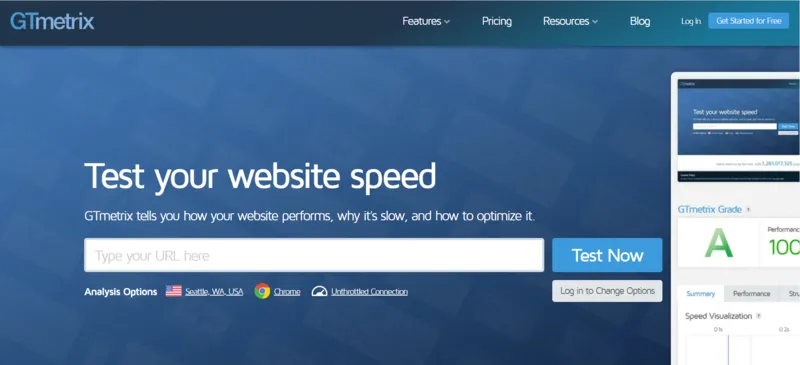
GTMetrix is a tool to examine the load speed of a page and diagnose opportunities for improvement, which helps you improve your site rank. It even lets you compare the speed performance against a competitor site.
Highlights:
- Analyze page load speed and overall performance.
- Detailed reports with performance scores (Core Web Vitals, Lighthouse).
- Waterfall chart to visualize loading sequence of resources.
- Test from multiple locations and devices.
- Compare performance with competitor websites.
- Track performance over time with monitoring.
- Analyze page size, requests, and load breakdown.
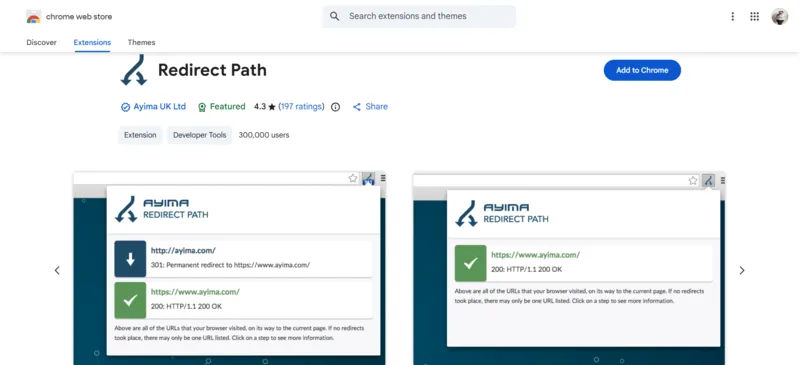
Redirect Path is a free Google Chrome extension that allows one to figure out an HTTP header and along with redirect errors. This plugin is most convenient for when you’re looking into a small number of pages.
Highlights:
- Identifies HTTP status codes (301, 302, 404, 500, etc.) instantly.
- Detects redirect chains and loops in real-time.
- Highlights client-side redirects (JavaScript, Meta refresh).
- Displays the full redirect path for any URL.
- Flags common redirect issues and errors.
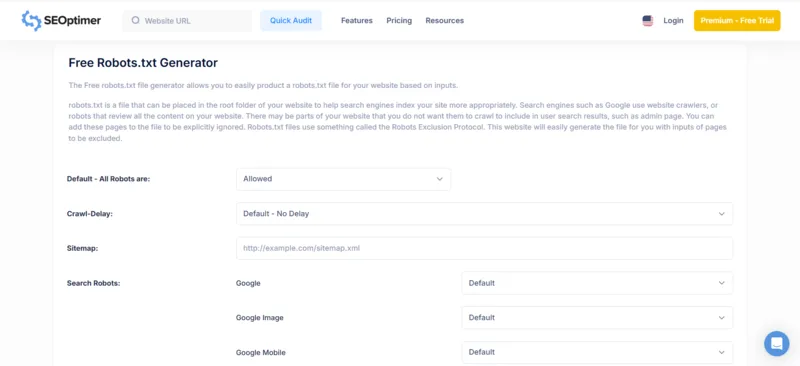
Robots.txt files are used to let the web robot know what to do with that particular websites page, whether to crawl, index or skip. Robots.txt Generator could prove to be one of the most significant tools in this list, as it ensures that Google and other search engines are crawling and indexing the site properly.
Highlights:
- Create a robots.txt file in seconds with a simple interface.
- Control crawler access (allow or disallow specific pages/folders).
- Supports major search engine bots like Google, Bing, and more.
- Helps manage indexing and crawling behavior effectively.
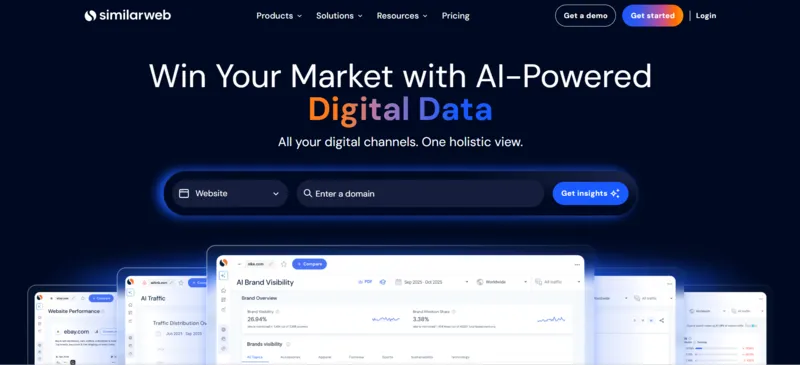
SimilarWeb is a tool that enables you to compare traffic between two websites, which could prove to be a helpful tool for competitor research.
Highlights:
- Website traffic estimation & analytics.
- Competitor traffic comparison.
- Traffic sources breakdown (direct, search, social, referral).
- Audience insights & user behavior data.
- Keyword and search analysis.
- Top referring sites & backlinks overview.
- Industry benchmarking & market trends.
- Geographic traffic distribution.
SEMRush is one of the best Free SEO Tools used by marketers, SEO analysts across the globe. SEMRush is used by a number of bloggers to find profitable keywords. It further aids in site optimization, development of customer-centric content, backlinking, and SEO audit for the blog site.
Highlights:
- Powerful keyword research to find high-traffic, low-competition keywords.
- In-depth site audit to identify and fix SEO issues.
- Competitor analysis to uncover strategies and gaps.
- Backlink analysis and link-building tools.
- Content optimization with SEO recommendations.
- Rank tracking for keywords across search engines.
- PPC (paid ads) research and insights.
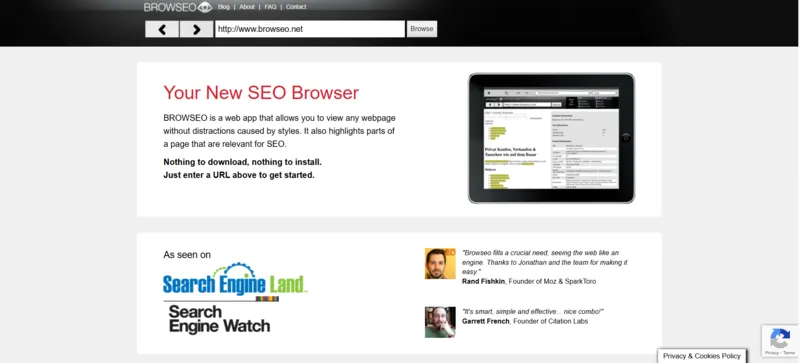
Browseo is a great tool if you want to view just how search spiders see your site! This view, in particular, can be used to see the hierarchy that you have knowingly or unknowingly given to elements on your site.
Apart from using the right tools to help you optimize your website for search engines, there are many other factors that affect your rankings like effective content creation, engagement with your content, domain valuation, and a lot more. A hands-on with these tools and implementation of the right SEO practices help you achieve your goal of better rankings for your brand.
Highlights:
- Shows how search engine bots (like Googlebot) view your webpage.
- Displays page structure and content hierarchy clearly.
- Highlights headings (H1-H6) and their importance.
- Identifies key on-page SEO elements (titles, metadata, etc.)
- Helps detect hidden or less-visible content issues.
- Removes styling to show raw, crawlable content.


